Freed Belarusian political prisoner joined Ukraine’s military six months after release

Kiryl Balakhonau / Euroradio
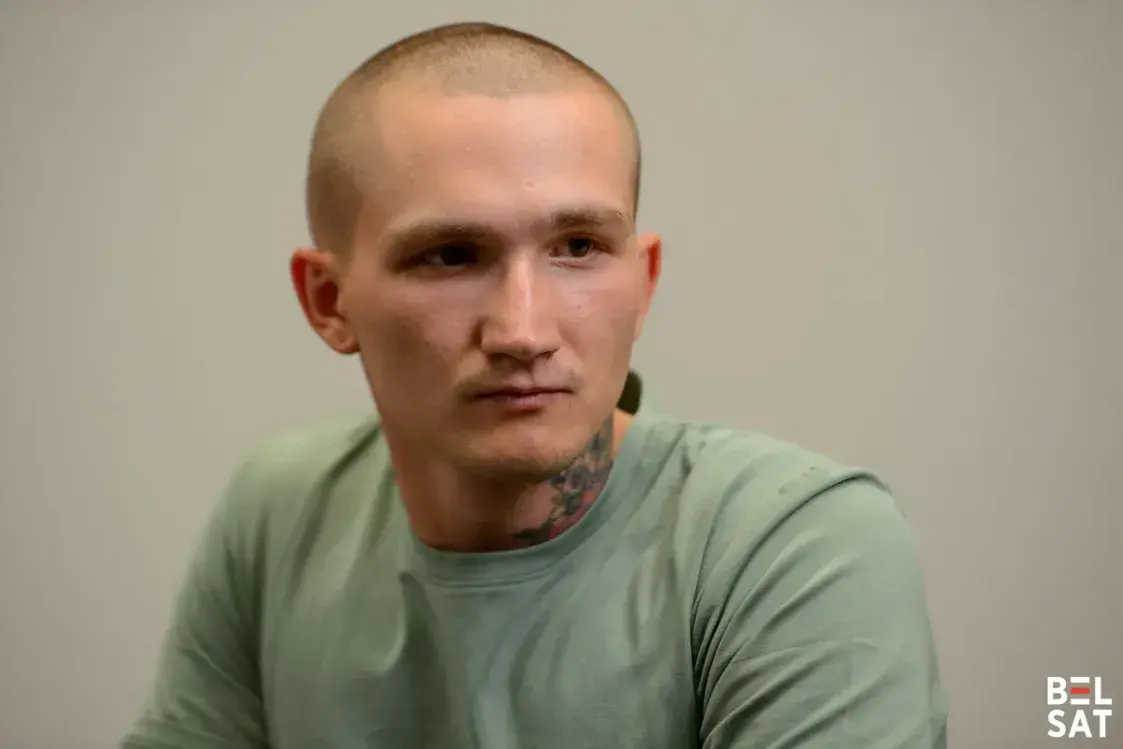
"I would have come here anyway, but under different circumstances. I would have renewed my passport, picked up my school certificate and other documents that might have come in handy", — says former political prisoner Kiryl Balakhonau, who is now fighting in Ukraine, in an interview with Euroradio.
The 22-year-old from Buda-Kashalyova has been serving as a drone operator since December 2025 in the Belarusian unit 1514, which is part of the "Timur's Special Unit" directorate of the GUR of Ukraine's Ministry of Defence.
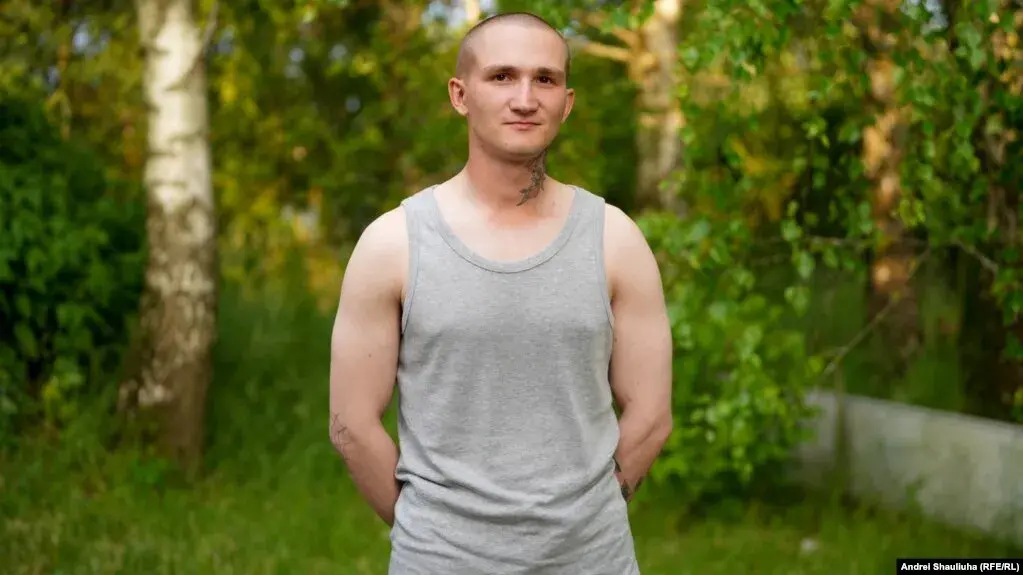
Six months before that, in June 2025, he was released after two and a half years in captivity and taken to Vilnius following negotiations between US President's representative John Coale and Lukashenka.
— I thought it was strange, why I was specifically [among those released], because there were other people who could have been let out. I only had five more months left to serve calmly. I considered myself unworthy of it. And that feeling has stayed with me to this day, — Kiryl shares.
Adapting to "normal life" didn't work out
After his time behind bars, Kiryl's ideas about the war did not match what it turned out to be in reality:
— When I was still in prison, artillery, tanks, and assault operations dominated. Now it's a drone war.
For me, there's nothing super-difficult in the military. When you go to war, you understand that you can be killed. So the difficulties that come with rotations don't scare me much. The duration doesn't either. However long they say — that's how long I'll stay.
Kiryl has not kept in touch with his relatives since his release. Many of his acquaintances don't even know where he is.
— For many people, I'm somewhere working in Europe. Where exactly? That's a secret.
I was almost always at odds with my family. I'm just that kind of person, and at 12 I started to separate myself. No one in my circle understood my views. Even at 18 I told certain people that I wanted to go to Ukraine, but many didn't take it seriously.
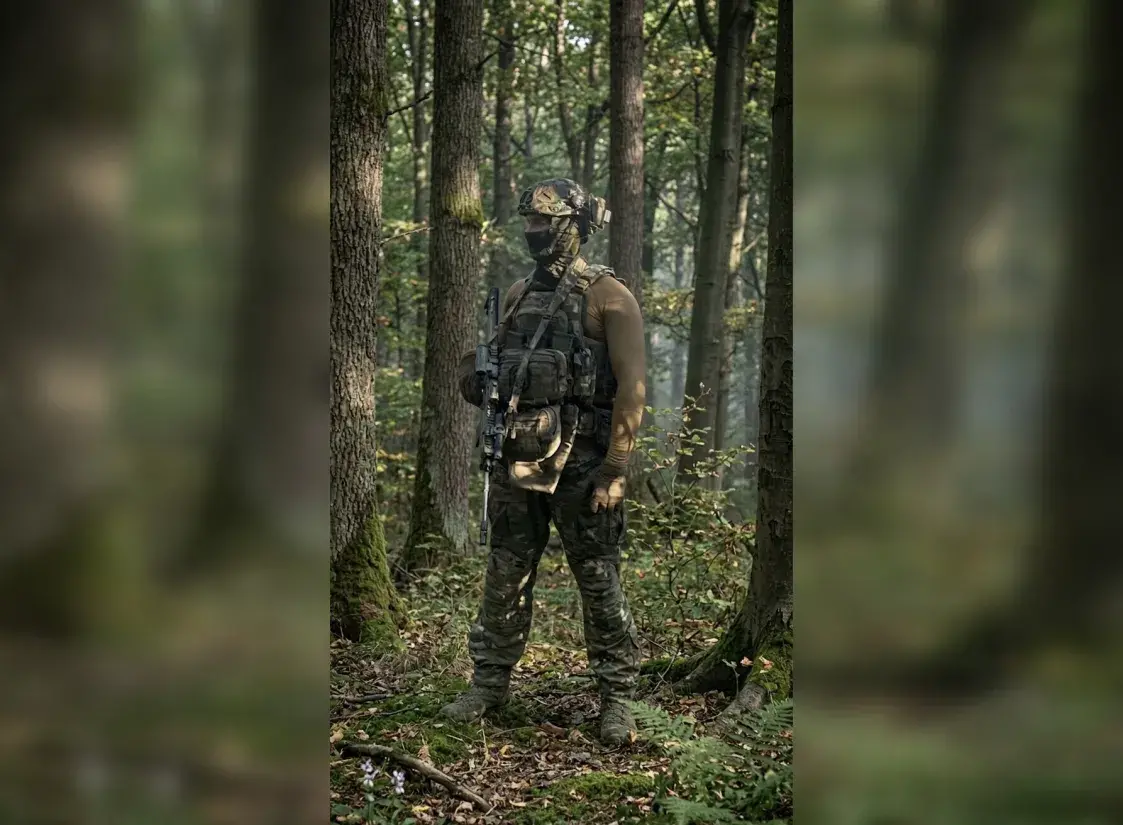
In case I die, I only made sure that everything with my body would be as I want it. That's part of the obligations before going to war. I want to be cremated, not buried. I'm too freedom-loving to be sealed in the ground.
"I won't be the same as before"
While Kiryl was in Vilnius, he underwent medical examinations, dealt with documents and legalisation. As it turned out, the young man left once he received his Lithuanian residence permit. His passport has been annulled, so that is the only document he has.
Kiryl also says he tried to reflect on his experience but "found nothing".
— Having been to war, I understood that I won't be the same as before. What I've seen has had a strong psychological impact. When a person sits under fire 24/7, the brain starts to adapt, producing patterns that later affect civilian life. You almost stop showing emotions, you become rougher and more callous.
Even after prison I try to communicate with people as little as possible. I've closed myself off. It's the same during the war. Relationships here are more based on cooperation.
I know that if I get attached to a person and something happens to them, I might not be able to bear it morally.
Kiryl saw no prospects for himself had he stayed in Lithuania. He doesn't have a basic education certificate.
— My future would have looked like constant work on construction sites. Well, I'd work like that for 10–15 years. And then what? Lithuania seems beautiful, but the language would have been hard to learn.
When Kiryl is not at his position, he handles paperwork in Ukraine, does sport, and reads books. Sometimes he deals with work-related matters.
After the colony, Kiryl was left with a habit of not trusting people. Prison slang sometimes slips out, like "bunk" or "cot". On the positive side — the habit of waking up at six in the morning, "sharp". "Otherwise, there's little good from there — the only good was in the people."
Kiryl still sometimes dreams about the colony.
— It's a strange feeling. Because there, it often appeared in dreams and didn't stir any emotions. Here, when it happens, I wake up in a sweat — it's some kind of nightmare, as if I'm back there. Strange, because I never cowered there, I just did my time. I think more about the people who are still sitting there.